

Okay, so check this out—I’ve been juggling wallets for years and something finally clicked. Wow!
My instinct said simple wallets were fine. Really? Nope. On first glance, a single-chain wallet looked tidy and safe. Initially I thought that was enough, but then reality hit—DeFi lives across many chains now, and each chain brings its own quirks and hazards. On one hand you want convenience; on the other hand you can’t trade away security.
Whoa! I started using a multi-chain browser extension and things shifted fast. The first week was messy. I forgot how many networks I was on. Then I noticed the UX differences—gas prompts, network switches, token display—that usually trip you up. Actually, wait—let me rephrase that: it wasn’t just the UX, it was the cognitive load of remembering which wallet did what, and that drained my focus and led to dumb mistakes.
Hmm… here’s the thing. A good extension wallet reduces those mental hops. It centralizes approvals safely, and gives clear feedback when you’re about to sign something risky. My gut feeling said this would be just marginally better, but it turned out to be night and day. On a practical level, it saved me from a couple of sloppy approvals that would have cost time and money on Ethereum and other chains.
Seriously?
Yes. And look—I’m biased toward tools that respect browser ergonomics. I’m the kind of person who, if a tool feels native to Chrome or Firefox, I’ll use it more often and more carefully. In the Midwest we say: use what works. This wallet pattern fits that motto. It runs as an extension so permissions and prompts are immediate where you already work—no app-switching, no weird deeplinks that sometimes fail when you’re in a rush.
Here’s what bugs me about some wallets. They pretend to be multi-chain but force you to manage accounts per network. That creates duplicate key-storage problems and more attack surface. My experience—after testing a few options—was that the better ones abstract network complexity while keeping one clear, auditable path for approvals. (oh, and by the way…) I like when a wallet tells me which chain a dApp is asking me to use, not just a cryptic chain ID number.
A practical checklist for choosing a multi-chain browser wallet
First, ask whether the extension isolates approvals by origin. Wow!
Second, check how it handles network switching. Medium often-explicit toggles are safer than automatic switches that surprise you mid-transaction. Third, evaluate recovery and seed handling: do they give clear guidance and test vectors for restoring accounts? Initially I thought seed backups were trivial; later I realized many users skip the test restore and then panic. That panic isn’t optional—it happens.
Fourth, look for hardware wallet support. My instinct said hardware was overkill for small trades, but two incidents taught me otherwise: phishing approvals that mimicked wallet prompts, and a compromised browser extension that tried to intercept signatures. Actually, wait—let me rephrase: hardware integration prevents silent approvals and sets a higher bar for attackers, which I now treat as non-negotiable for funds above a threshold.
Here’s a practical move. Try the wallet with a minimal amount first. Seriously, that tiny test transaction is worth the time and will reveal how clear the prompts are and whether the wallet shows token details accurately. On one hand it costs you a bit of gas; on the other hand it could save you thousands if something is wrong.
I’ll be honest—I favor extensions that let power users customize network RPCs and still provide safe defaults for newcomers. I’m not 100% sure everyone needs granular RPC control, but when a chain goes sideways, being able to swap to a reliable provider matters very much.
Check this out—when I started recommending a particular extension to friends I made a little checklist for them. They sent me thank-you notes and also a chat thread of questions that revealed where wallets fail people: jargon, hidden fees, and confusing confirmations. On my end I saw patterns in what trips users up, and those patterns shaped what I now look for in a wallet.
Something felt off about ad-hoc approvals in other extensions. They sometimes present a long hex payload with no plain-English explanation. My fix was to choose a wallet that parses calls into readable actions—swap, approve token, stake, etc.—so you can spot nonsense. That small transparency reduces mistakes and increases confidence when you interact with experimental contracts.
Check performance too. Some extensions slow down pages or cause memory spikes. If your browser tabs start tanking, you’ll be less likely to check transaction details. Performance is part of security—if people avoid using the tool because it’s clunky, they create risk by copying keys to other places or using riskier workarounds.
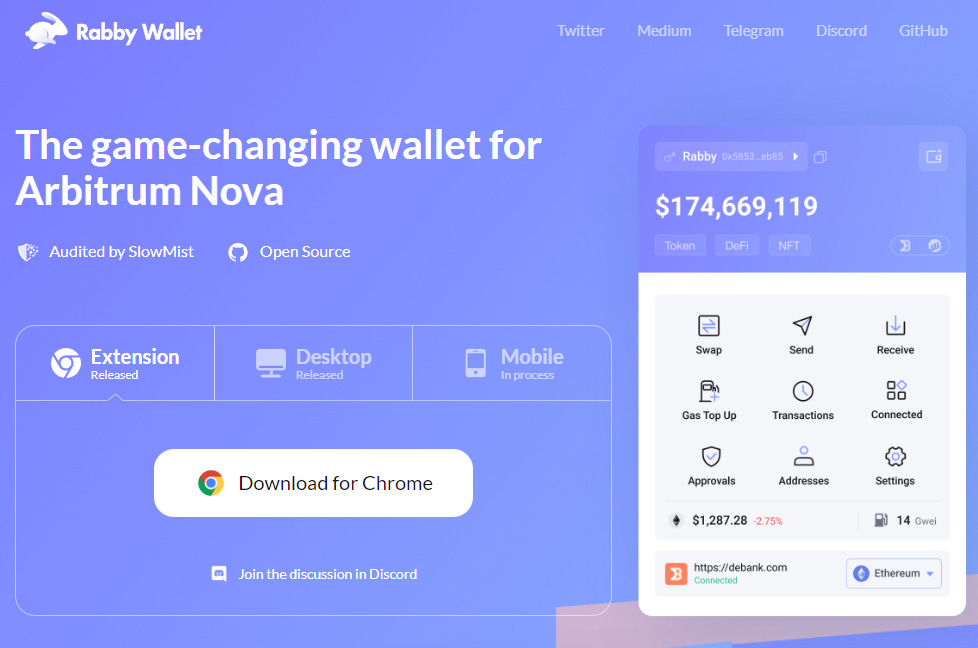
Okay, so here’s a direct recommendation: if you want a wallet that balances multi-chain utility with pragmatic safety, try a reputable browser extension and run the test flow I mentioned. If you want a quick start, consider this link for an easy setup and rabby wallet download—it was the one I kept coming back to during my tests because of its clear prompts and hardware integration.
My instinct wasn’t wrong entirely; it just needed better data and wider exposure. On the whole, a small change in how you approach wallet choice leads to much better outcomes. On one hand, people want speed; on the other hand, true speed comes from tools that prevent mistakes, not from cutting corners.
Frequently Asked Questions
Is a browser extension wallet safe enough for DeFi?
Short answer: yes, if you pick one with good isolation, hardware wallet support, and transparent approval flows. Long answer: maintain browser hygiene, avoid sketchy dApps, and use hardware signing for larger amounts. I’m biased, but I don’t keep lifetime savings in a browser extension.
How do I handle multiple networks without getting confused?
Label networks, use a wallet that shows chain names clearly, and make a tiny test tx on each chain before trusting big amounts. Something I do: keep a spreadsheet with RPC endpoints, chain names, and a note if I’ve verified the endpoint. It sounds nerdy, but it helps when you’re trading across five chains.
What about mobile vs. extension wallets?
Extensions are great for desktop DeFi workflows and dApp interactions, while mobile wallets are handy for on-the-go swaps. My gut says use both: extension for heavy trading and hardware-backed signing; mobile for quick sends and notifications. Though actually, syncing them properly without exposing seeds is the trick.