

I started using browser wallets because I kept losing time and sleep over seed phrases. Whoa! My instinct said this was just another extension, but something felt off about the UX. I tried a few, then a friend recommended a newer option I’d skimmed past. At first glance it was just an interface tweak, though after digging into network support, account imports, and the extension’s security model, I realized it solved a couple of persistent annoyances that had been quietly eroding trust.
Seriously? The way a wallet handles dApp permissions matters more than people expect. Medium-length confirmations and tiny toggles can make or break risk perception. Initially I thought UX polish was superficial, but then realized that clarity prevents mistakes—costly ones. On one hand users want convenience; on the other, they need safeguards that don’t look scary.
Okay, so check this out—Rabby’s design decisions favor visible safeguards. Hmm… I remember being annoyed by cryptic pop-ups in other extensions. The permission flow in Rabby shows granular scopes and groups actions in a way that’s readable. My gut said “finally,” even before I ran the audits and read the threads.
Here’s what bugs me about most wallets: they bundle too much into a single confirmation. Seriously? That habit trains users to click fast. When you click fast you make mistakes. Rabby breaks things down so you can see token approvals, gas estimates, and contract calls separately—which is very very important.
Technical aside—gas estimation is a small battlefield. Whoa! A poor gas UI can cost you real ETH on mainnet. Rabby surfaces both EIP-1559 and legacy gas settings clearly. That matters for users who jump networks or use multiple chains. The chain selector is simple but powerful, and it remembers your RPC quirks without being obtrusive.
Security model stuff next. Hmm… Rabby uses a strong permissions architecture rather than obscure allowances. I tried importing accounts both via seed phrase and hardware, and the flow was sensible. Initially I worried about extension attack surface, but then realized the codebase has sensible compartmentalization. There are trade-offs though—extensions remain more exposed than mobile wallets, so you still need system-level hygiene.
Honestly, I’m biased toward wallets that integrate hardware keys cleanly. Whoa! Rabby gives a pleasant hardware onboarding. Pairing a Ledger or Trezor felt straightforward and not like a chore. That little UX win reduces risky behavior—people are more likely to use their hardware if it doesn’t fight them. Small friction changes behavior; I’ve watched it in other projects I’ve used.
Look—dApp routing and multi-account management is where Rabby flexes. Hmm… I juggle a few accounts for swaps, bridging, and staking. The account switcher works without re-auth prompts, and the extension isolates approvals per account. That means a compromised account doesn’t necessarily poison the rest of your workflow (though nothing is perfect). It’s the kind of practical thinking that shows someone used real users while building it.
On privacy: Rabby doesn’t pretend to be a VPN or cloaker. Whoa! It respects user privacy by limiting data collection. The extension asks the minimum and stores the minimum locally. That design stance is refreshing in an ecosystem where telemetry can creep in unnoticed. Still, I’m not 100% sure about every RPC node’s privacy footprint—so caveat emptor.
Now, some product trade-offs. Hmm… There are features I wanted that weren’t baked in. I miss an in-wallet portfolio graph that updates across chains. I got used to quick token swaps inline though, and Rabby supports aggregator integrations. Initially I thought that would be awkward, but after testing it felt natural and snappy. There are edge cases with exotic tokens and stuck approvals, but those are common across wallets.
Pro tip: manage approvals like you’re managing passwords. Whoa! Use the token approval cleanup tools if you can. Rabby surfaces token approvals so you can revoke permissions without hunting through obscure menus. That alone can prevent shady contracts from draining allowances. I’m not preaching—I’ve revoked access to phantom approvals that I forgot about, and it felt good.
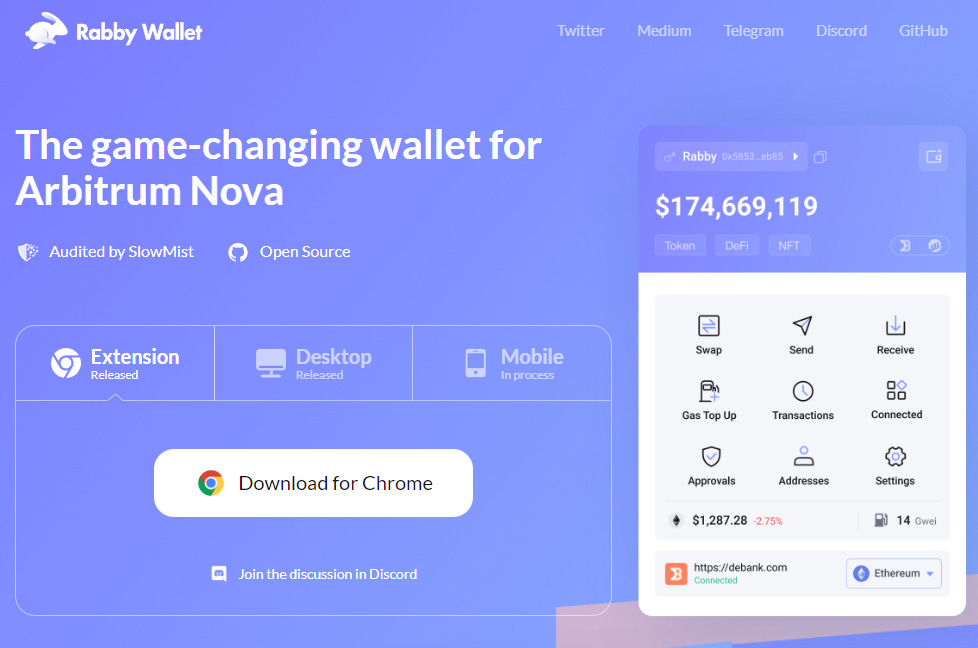
Where to try it (and what to watch for)
If you want to test a browser extension that balances UX and safety, give rabby wallet a spin. Whoa! Install on a throwaway profile first. Try importing a read-only account or connecting a hardware key before moving funds. My instinct said “start small,” and that advice saved me from a couple of rookie mistakes. Also—backup your seed offline and double-check extension permissions before approving anything.
Workflow tip: use separate accounts for approvals and trading. Seriously? Yes. It reduces blast radius if something goes wrong. Rabby’s account naming and management features help here, so you can label an address “Dapp approvals — low stake” and another “Main cold.” That small mental model helps you act more deliberately, which is the whole point.
Developer view: the codebase and extension updates felt active enough to trust for day-to-day use. Hmm… I scanned release notes and follow community threads to verify. There is a lively user base asking questions, filing issues, and proposing improvements, which matters more than shiny UI features. A living community helps catch regressions faster.
Limitations deserve mention. Whoa! Browser extensions are inherently riskier than hardware-only flows. Keep somethin’ in mind: if your machine is compromised, any extension could be manipulated. Also, not every novel DeFi product plays nice with every wallet. Expect occasional quirks with contract interactions or new chain RPCs, and be ready to use a fallback method.
Final note—well, not final-final, but a closing thought. I’m intrigued by wallets that treat clarity as a security feature. Hmm… Rabby struck that balance for me: pragmatic safety wrapped in friendly UX. It’s not flawless, and some features could be deeper, but it scratches the itch for a DeFi user who wants control without constant anxiety. Try it, but do so carefully—learn the flows, keep backups, and stay skeptical (in a good way).
FAQ
Is Rabby Wallet safe for large balances?
Short answer: use hardware keys and multiple account separation. Whoa! Extensions add risk, so for very large holdings prefer a hardware wallet with offline signing. Rabby supports hardware integrations which is a big plus, but system-level security still matters.
Can I use Rabby across many chains?
Yes, it supports many EVM-compatible networks and custom RPCs. Hmm… You’ll want to verify each RPC’s reliability and privacy posture. The wallet remembers settings and keeps the network switcher simple, which helps when you jump between testnets and mainnet.
What if I make a mistake approving a token?
Revoke it quickly. Whoa! Rabby exposes approvals and makes revocation accessible. If funds are already at risk, immediate action and contacting dApp teams might help, but prevention is better—so review approvals before you click.